Attractions
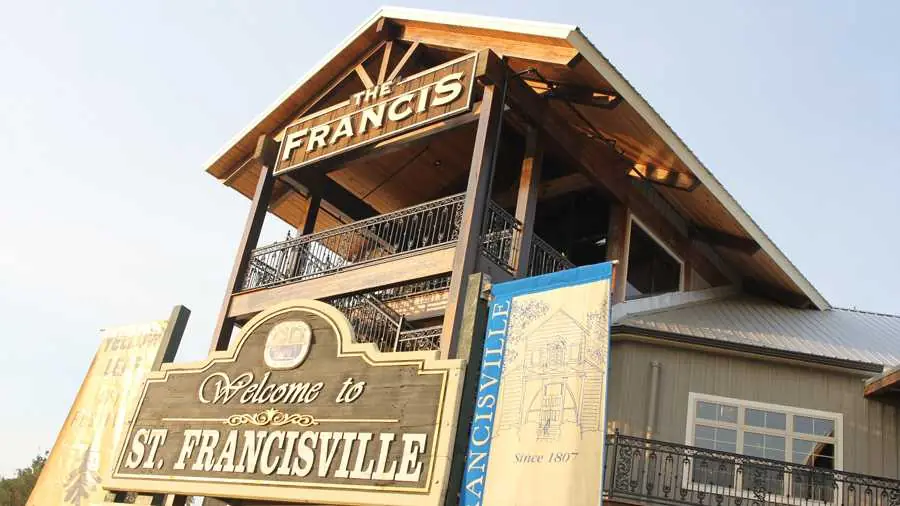
The Francis
Serving barbeque plates to burgers to po-boys to fried chicken, The Francis Smokehouse delivers the true essence of Southern comfort cuisine. With friendly service, the restaurant provides guests with a wonderful experience.
Directions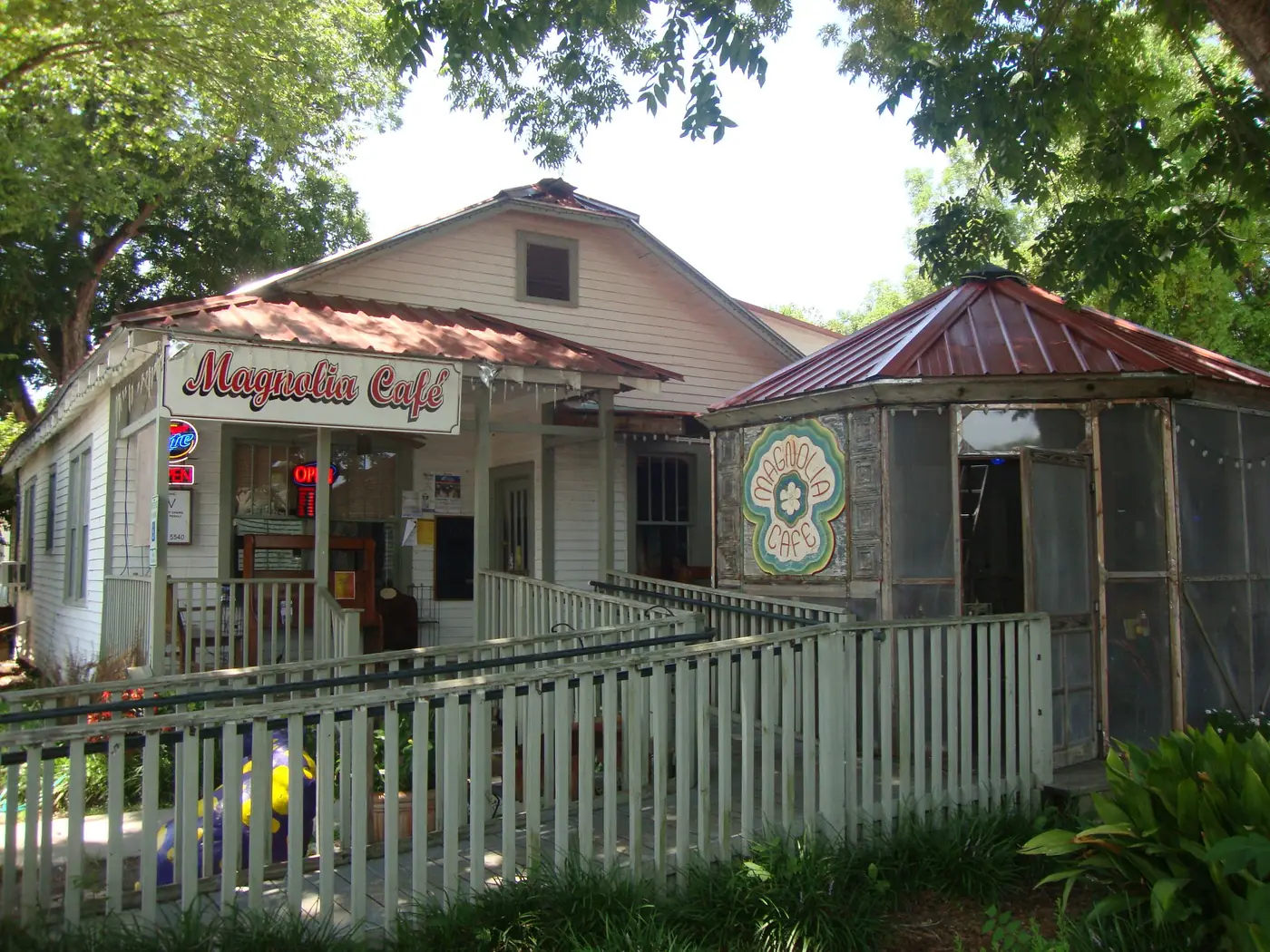
The Magnolia
A meal at the Magnolia Café is always a social event, but exactly what kind of event depends on what you come looking for. On any given lunchtime, the gravel parking lot fills fast as locals descend on this historic river town’s beloved gathering place to gossip, wave, and indulge a craving for that French Dip po-boy or Chicken Pesto Pizza that they might have been ordering since childhood.
Directions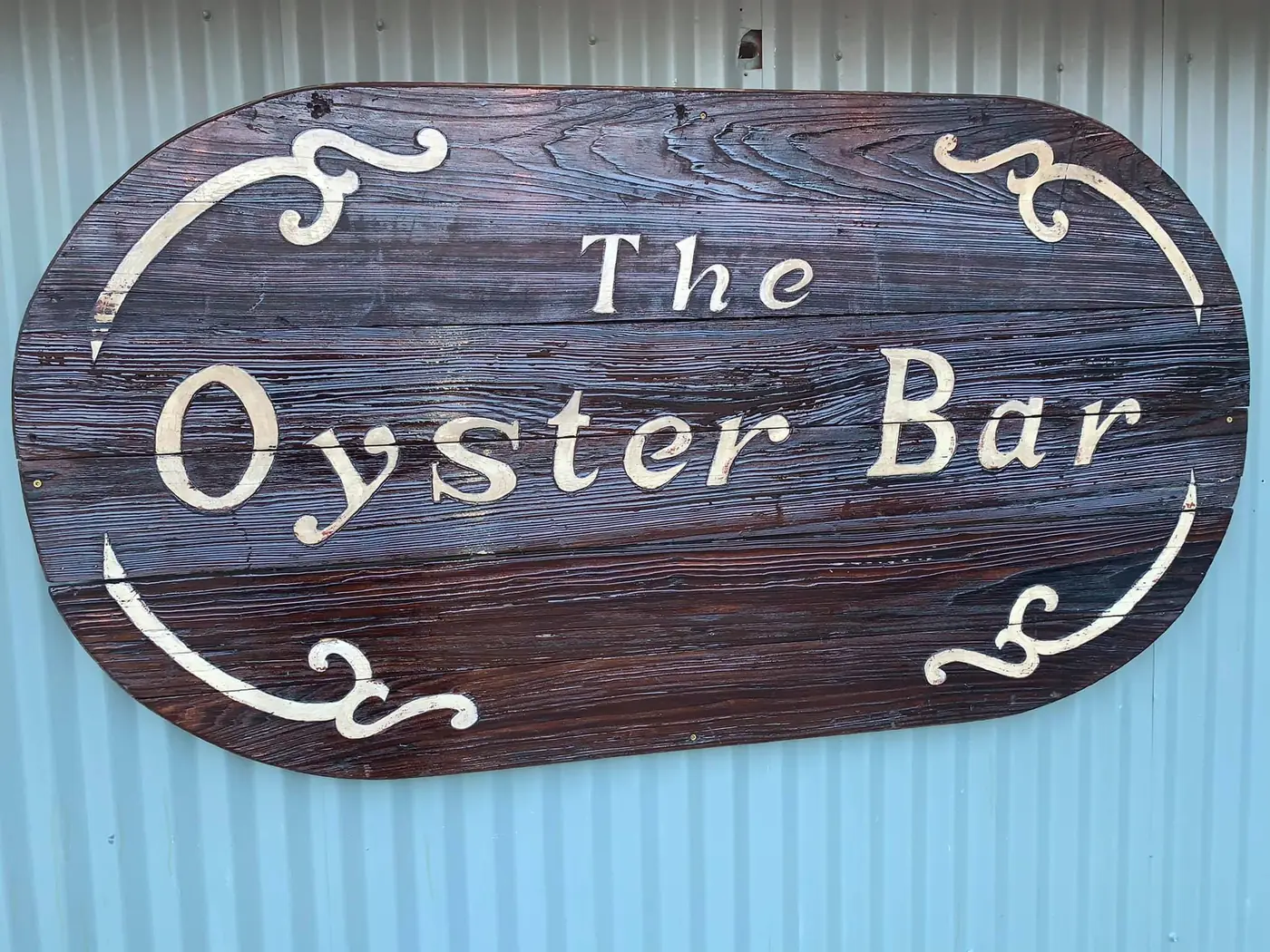
The Oyster Bar
The Oyster Bar is the newly renovated West Feliciana staple overlooking Bayou Sara, offering cocktails, live music, food trucks, and a variety of seafood and Southern delights.
Directions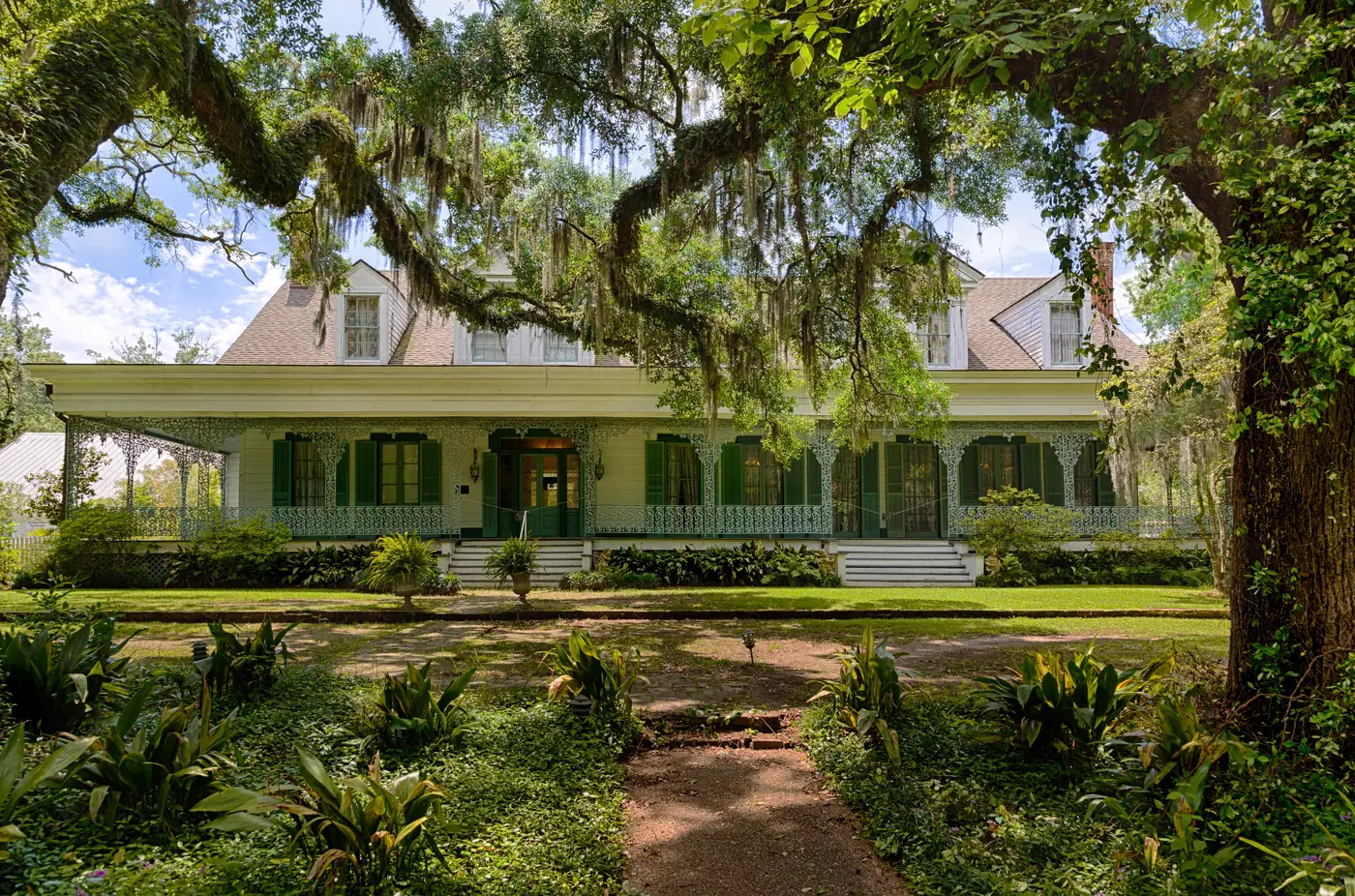
The Myrtles Plantation
The Myrtles, with a rich and complex past, stands as a testament to resilience and adaptation. Once operating as a cotton and indigo plantation, this historic site has survived the Civil War and numerous other significant events throughout history. Today, The Myrtles strives to be leader in historical preservation, subtly acknowledging the complexities of the past and welcoming all walks of life to experience its modern-day beauty and splendor.
Directions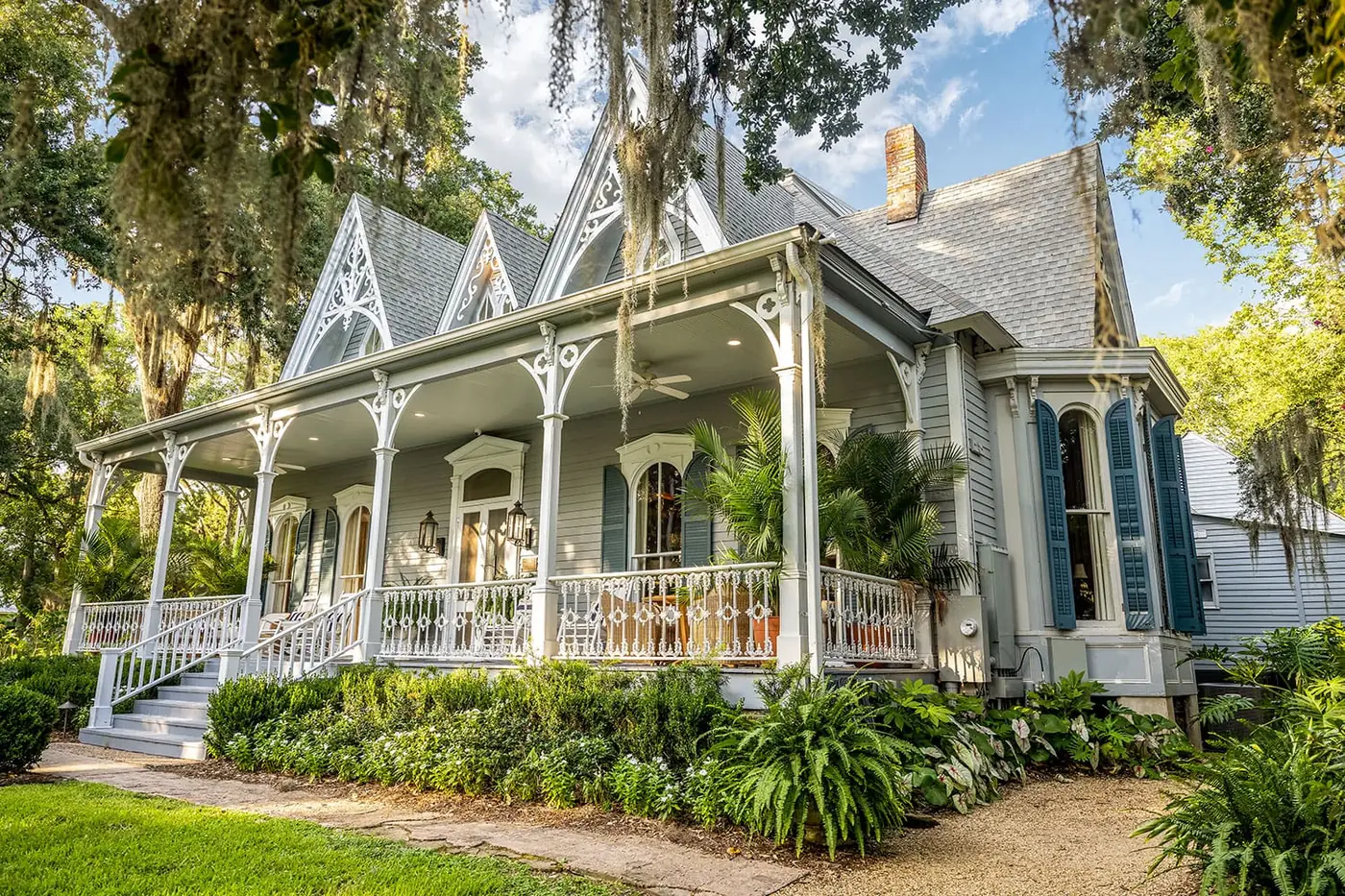
St. Francisville Inn
The St. Francisville Inn represents a time when things were simpler & more relaxed. Guests take their time savoring home cooked meals, rock in warm, Southern breezes under shaded porches, and warm in the Louisiana sun as they sip drinks around the pool. Guests nap in the afternoons in preparation for the evening’s events and squeeze in every inch of fun during the night. At The St. Francisville Inn, it’s not about rushing around, It’s about each guest making the most of their stay while they’re with us.
Directions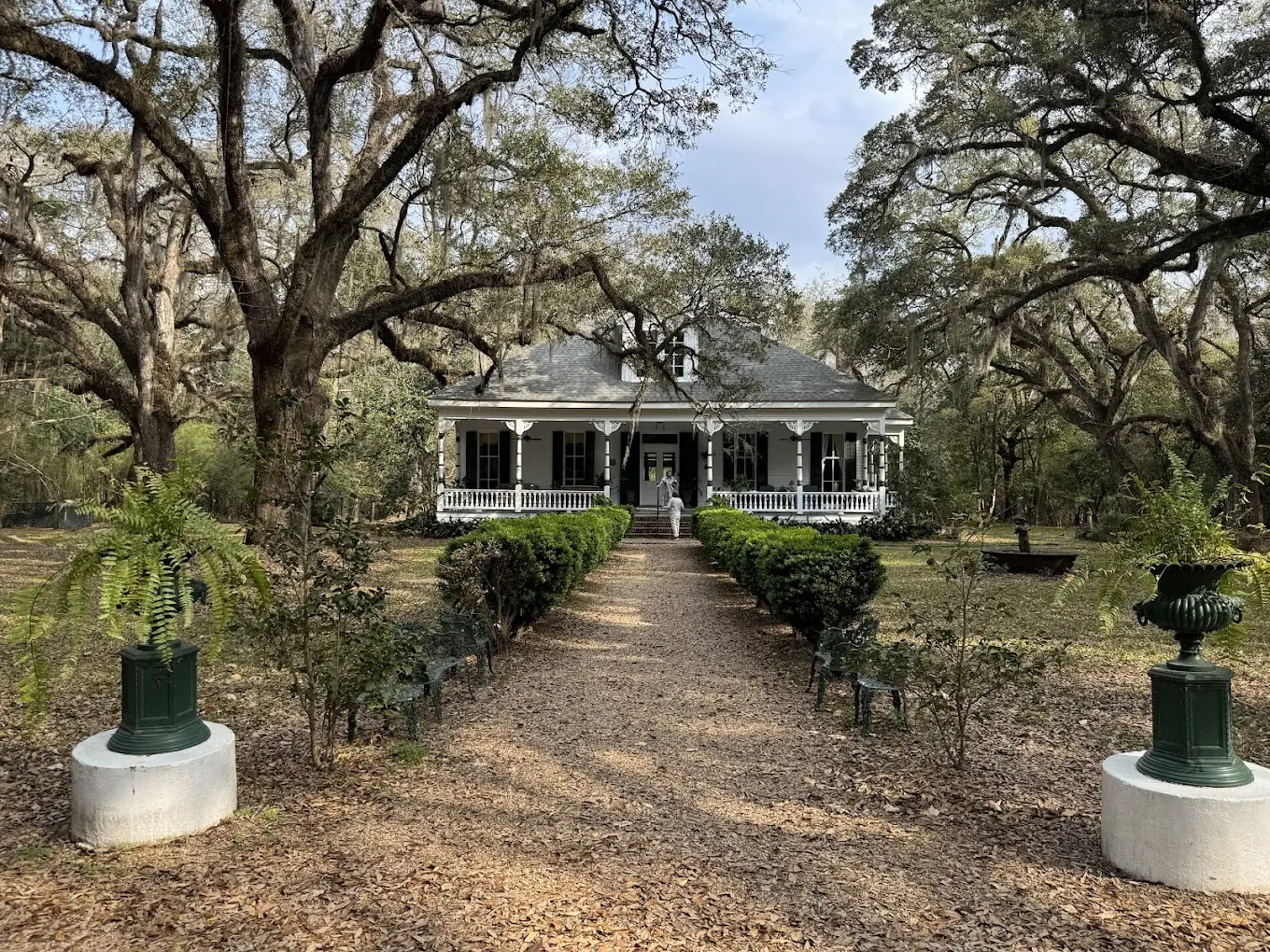
Catalpa Plantation
Catalpa Plantation is one of numerous late Victorian cottages found across Louisiana, significant for the beautiful gardens that surround it. The oak trees lining the grounds were planted in 1814, and Catalpa's oak alley is thought to be the only one in Louisiana which has an elliptical shape. Primarily a cotton plantation in the antebellum period, Catalpa's grounds were devastated during the Civil War, and the plantation house burned. Mr. Fort, the owner, died during the Civil War. In 1885, his son, William J. Fort, rebuilt Catalpa and it is this house that still stands.
Directions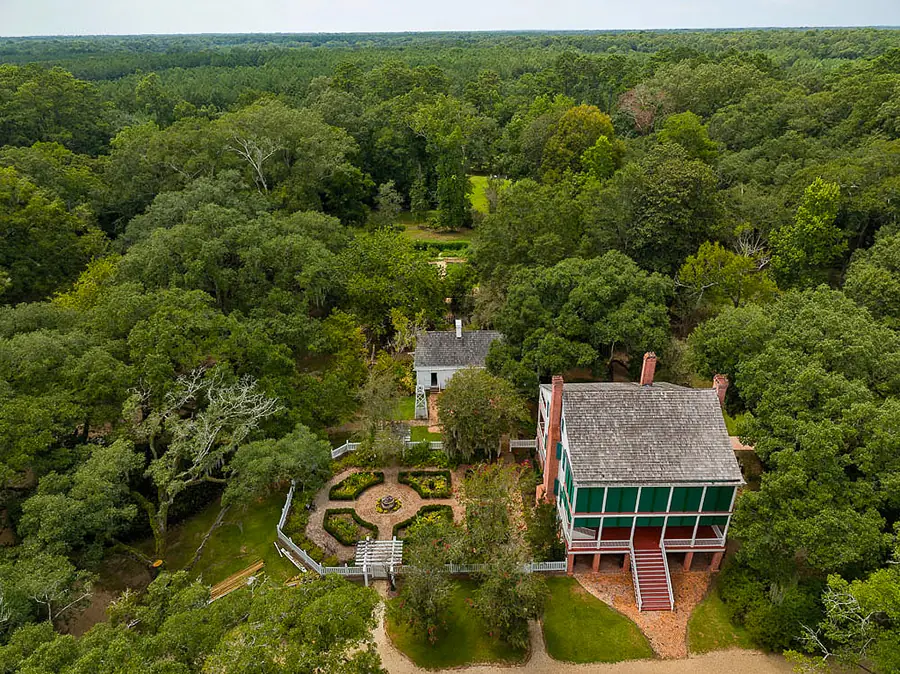
Audubon State Historic Site
Constructed in 1815, Oakley Plantation rests within the Audubon State Historic Site, a part of the Louisiana Office of State Parks in Historic St. Francisville, La. The park is located 20 minutes north of Baton Rouge off the Great Mississippi River Road, U.S. Hwy 61. Today 100 acres of the original Oakley Plantation, where artist naturalist John James Audubon stayed in the late summer of 1821 is open to the public. The site is open from 9 am to 5 pm Monday – Sunday. The site includes an interpretive center and guided tours are offered daily of Oakley House from 10 am to 4 pm on the hour. Visitors may tour on their own the gardens, slave cabins, barn and kitchen of the plantation. The park has a nature trail, a covered picnic pavilion seating 50, and an open picnic area seating over 100.
Directions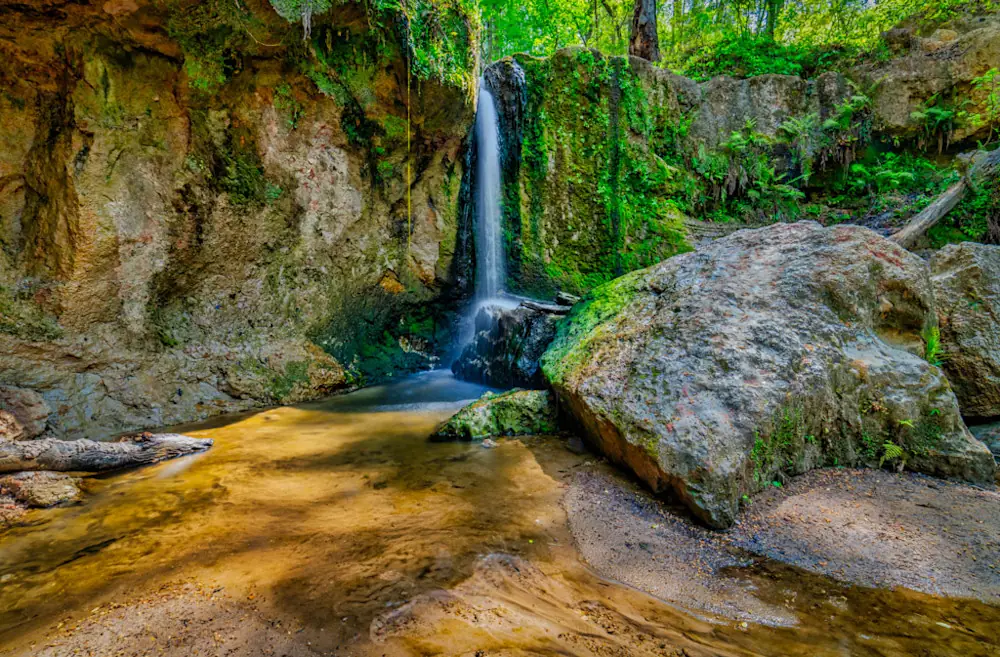
Tunica Hills
Tunica Hills WMA is composed of two separate tracts. The North Tract (2,346 acres) is immediately adjacent to the Louisiana State Penitentiary. The South Tract (4,156 acres) is off Old Tunica Road, which is part of the scenic Natchez Trace System and has been used for travel since colonial times. The WMA’s terrain is characterized by rugged hills, bluffs, and ravines. The area lies at the southern end of the “loess blufflands” escarpment that follows the east bank of the Mississippi River south from its confluence with the Ohio River. These blufflands offer a diverse and unique habitat that supports some species of plants and animals not found elsewhere in Louisiana.
Directions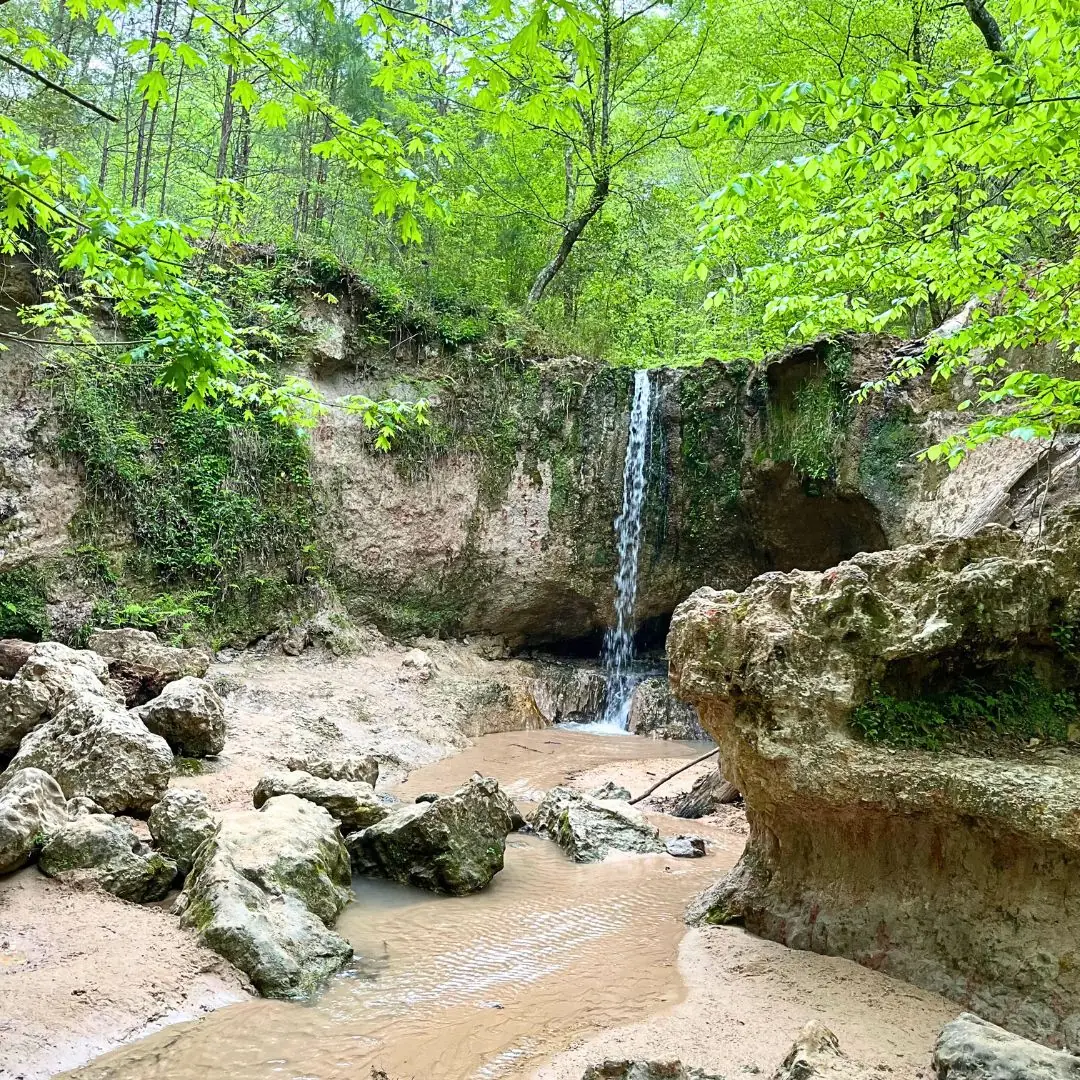
Clark Creek Natural Area
Creation and protection of this fabulous area came about in 1978. Now, comprising more than 700 acres, Clark Creek Natural Area is highlighted by some 50 waterfalls, ranging in size 10 to more than 30 feet in height. Steeply sloping loess bluff hills host a mixed hardwood and pine forest dominated by beech and magnolias. Uncommon trees found in the area include Southern sugar maple, serviceberry, umbrella tree, pyramid magnolia, chinquapin oak, big leaf snowball, silverbell, and witch-hazel.
Directions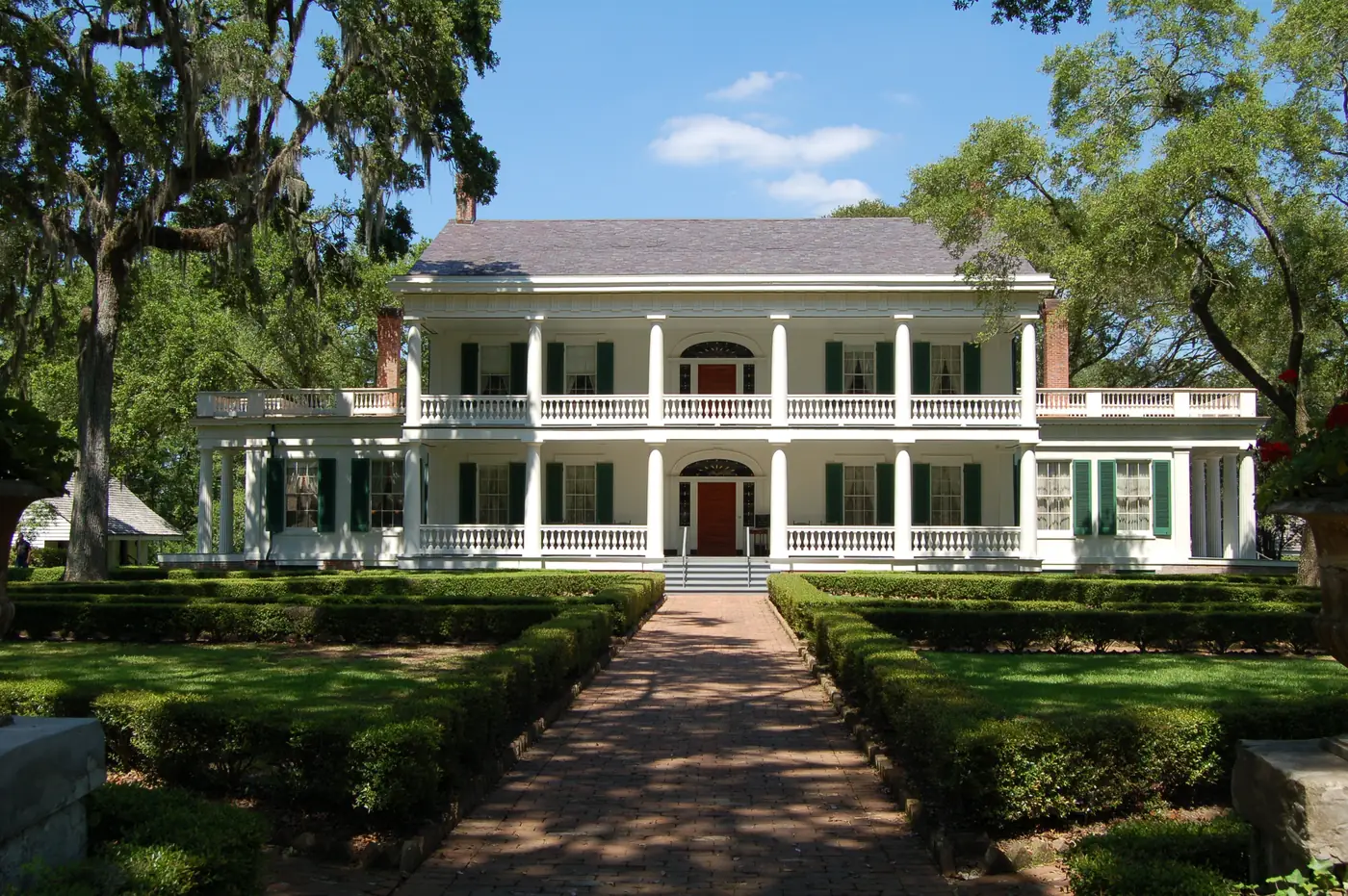
Rose Down Plantation
Rosedown Plantation is located in the West Feliciana Parish community of St. Francisville along one of the most historic corridors in South Louisiana. The historic presence of the River created deep soil deposits to form uplands that became, in the days of the cotton boom, extremely productive and valuable. In addition to the natural flats, creeks draining to the River created some expanses of rugged, heavily treed terrain that became profitable as timberland.
Directions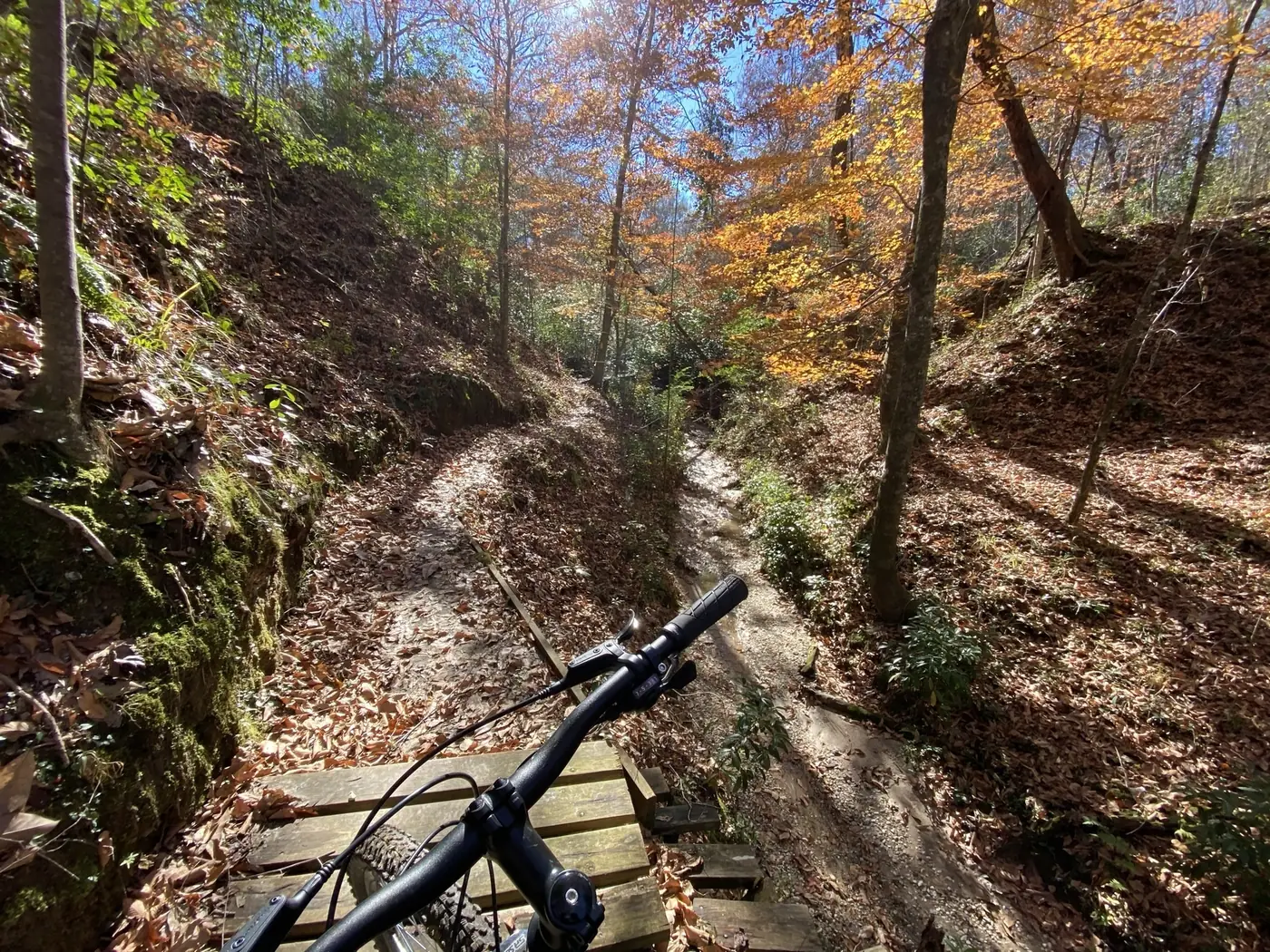
Mountain Biking
Enjoy the beautiful and unique landscapes of Louisiana from your bike. Choose to ride through the green hills of northern Louisiana to the southern marshes along the coastal wetlands. You have your choice of routes, from lightly traveled, paved rural roads to challenging mountain-biking trails to easy, leisurely paths through Louisiana's many state parks. And the mild climate allows for biking almost any time of year.
Directions
Angola Rodeo
The Angola Prison Rodeo is the longest-running prison rodeo that first began in 1965 as a joint endeavor between offenders, prison employees, and civilians who live in Angola’s residential area. The first two rodeos, in 1965 and 1966, were not open to the public. Beginning in 1967, a limited number of tickets were offered to the general public for admission to the rodeo. Proceeds of those ticket sales, like today, benefited the Inmate Welfare Fund, which funds recreational and educational programs for inmates. Spectators at the first rodeos had to either sit on pickup trucks or bring seating to view the small rodeo. As the rodeo grew in popularity, the penitentiary built its first rodeo arena in 1969 to contain 4,500 attendees. Today, its popularity has grown so large that the new arena accommodates more than 10,000 attendees.
Directions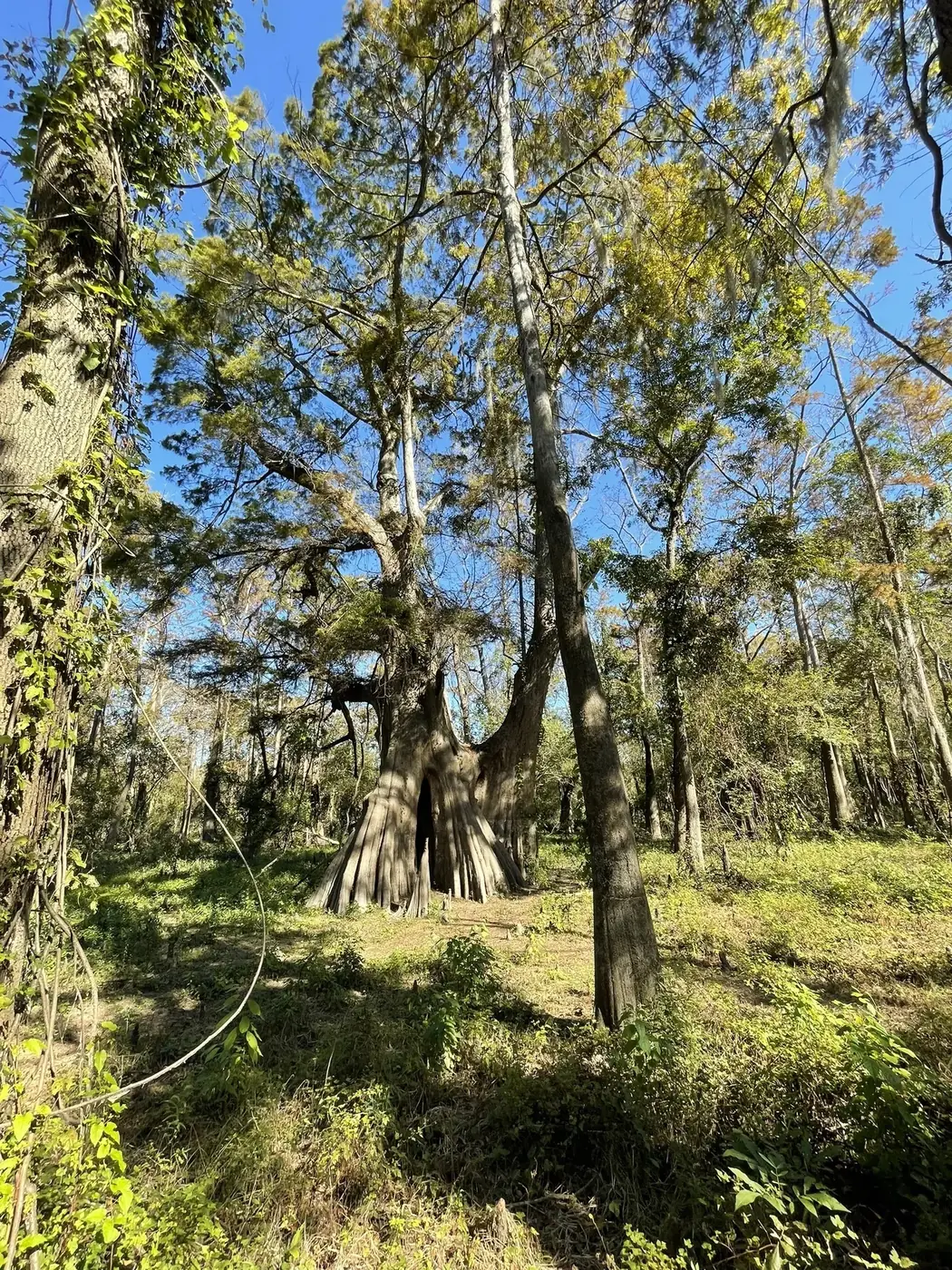
Cat Island National Wildlife Refuge
Cat Island is located near the town of St. Francisville, Louisiana, 30 miles north of Baton Rouge. The refuge was established to conserve, restore, and manage native forested wetland habitats for migratory birds, aquatic resources and endangered and threatened plants and animals. The refuge lies at the southern end of Cat Island, which is not actually an island but rather a strip of low-lying land between the Mississippi River's current channel and the escarpment the river cut along the Tunica Hills as it meandered over time. Cat Island National Wildlife Refuge was established in 2000 as the 526th refuge in the National Wildlife Refuge System.
Directions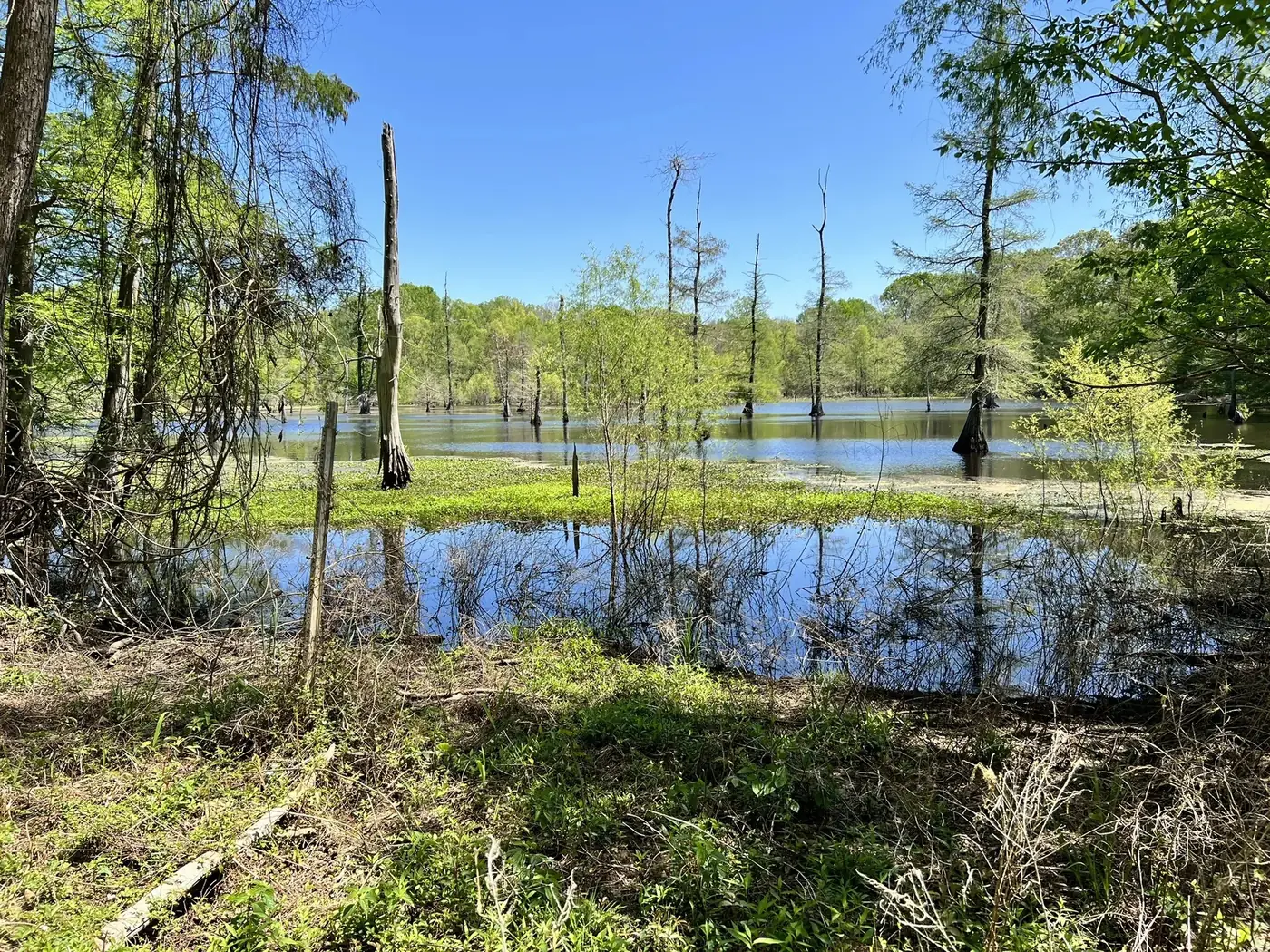
St. Catherines Creek National Wildlife Refuge
St. Catherine Creek National Wildlife Refuge was established in 1990. Management of the refuge aims to conserve the integrity of a dynamic bottomland hardwood forest ecosystem in the Lower Mississippi River Valley. The Refuge is located in southwest Mississippi which hosts a diverse array of habitat types consisting of bottomland hardwoods, cypress swamps, upland hardwoods on the loess bluffs, small cliffs made from a specific type of wind-blown sediment. The Refuge also has moist soil impoundments, reforested areas, fallow fields and accreted land. Flooding from the Mississippi River occurs from winter through early summer preserving a naturally functioning bottomland hardwood system and a bountiful diversity of fish, wildlife and plant species.
Directions